
Panas777 Ewallet: Fast Mobile Deposits And Payouts
Table of Contents
A Panas777 ewallet transaction is built for speed: deposits typically reflect in your account within minutes, and Malaysian users increasingly prefer it over traditional bank transfers for daily top-ups. But faster does not always mean better for every situation. The right choice depends on the amount you are moving, how often you transact, and whether your priority is speed or higher transaction limits.
This guide walks you through everything you need to know about using ewallets at Panas777 slot, from the supported providers like Touch 'n Go, Boost, and GrabPay, to the rules that determine whether your transaction goes through instantly or gets flagged for review. Whether you are choosing a payment method for the first time or troubleshooting a stuck wallet transfer, the sections below will help you use ewallets safely and efficiently.
What is Panas777 Ewallet And How Is It?
Essentially, a Panas777 ewallet acts as a high-speed digital bridge between your personal funds and your account balance. Instead of the often cumbersome process of logging into a traditional bank portal, an ewallet streamlines the flow by using pre-funded digital containers like Touch 'n Go or GrabPay. This allows for a much faster exchange of data and funds compared to manual wires.
The operational flow is relatively simple: you initiate a deposit request, transfer the funds from your app, and the system verifies the transaction hash. Once this digital "handshake" between the provider and the platform is confirmed, your balance is updated.
However, a common trap for new users is assuming that "digital" always equates to "instant." While ewallets are significantly faster than traditional methods, they are still subject to processing times. Delays often happen because the wallet provider—be it Boost or Grab—might be experiencing high traffic, delaying the confirmation signal. Alternatively, the Panas777 internal matching engine may be processing a queue of transactions to ensure accuracy. If the system cannot perfectly match your payment—perhaps due to a missing reference code—the update won't be automatic and will require manual intervention from the support team.
Why Users in Malaysia Prefer Ewallet?
In Malaysia, the shift toward ewallets has been nothing short of a financial revolution. This preference isn't just about following a trend; it’s about the specific advantages these systems offer to the local user base.
When the Experience is Seamless
The primary draw is the frictionless nature of the process. When conditions are optimal, depositing via an ewallet feels almost instantaneous. It’s the perfect solution for users who manage their life through a smartphone. With just a few taps and a biometric scan, the Panas777 deposit is finalized. This convenience is especially valuable during peak times or live events when you don’t want to be bogged down by the multiple TAC or OTP steps typically required by Malaysian banking apps.
The Realistic Trade-offs
Despite the clear benefits, experienced users know that every system has its vulnerabilities. The most common frustration is the "pending" status. Because ewallets rely on third-party APIs, any hiccup in the internet backbone or a provider's server can leave a transaction hanging. Additionally, ewallets usually have lower transaction limits compared to bank transfers. This makes them ideal for casual play or regular top-ups, but perhaps less suitable for high-rollers looking to move tens of thousands of Ringgit at once. In short, it is exceptionally fast when smooth, but slightly less predictable than traditional banking.
Supported E-wallets in Malaysia
The digital payment ecosystem in Malaysia is diverse, and Panas777 typically supports the most reliable providers that Malaysians already use daily.
Touch ‘n Go (TNG) eWallet is the most popular choice due to its massive integration into Malaysian life. It is generally stable and offers a very familiar interface. GrabPay is another heavy hitter, favored for its top-tier security protocols, though it can sometimes be stricter with transaction verification. Boost serves as a reliable alternative that many find useful for segregating their entertainment budget from their main expenses.
A vital rule to remember is to only use the wallet options currently displayed inside your account at the moment you intend to pay. These options can change without notice due to technical updates or financial regulations. If a specific method is missing, do not attempt to send money to a "saved" address manually. Bypassing the automated system this way means your transaction won't be tracked, and there is no guarantee the funds can be recovered.
Ewallet vs Bank Transfer – Which Should You Choose?
Choosing between these two methods shouldn't be based on habit alone; it should be a strategic decision based on your current needs.
If you are looking to deposit a small or medium amount and want to get into the action immediately, the ewallet is your best bet. It is built for a mobile-first generation and thrives on speed. However, you must be prepared for the occasional "pending" hurdle that comes with third-party digital systems.
On the other hand, bank transfers remain the gold standard for consistency and high-value transactions. If you are withdrawing a large win or depositing a significant sum, the extra few minutes it takes to navigate a banking portal is a small price to pay for increased stability. Banks have much higher transaction ceilings and their record-keeping is more deeply integrated with traditional financial infrastructure, leading to fewer "missing" transaction headaches.
To simplify: if you want speed and mobile convenience, use an ewallet. If you want reliability and high limits, stick with bank transfers.
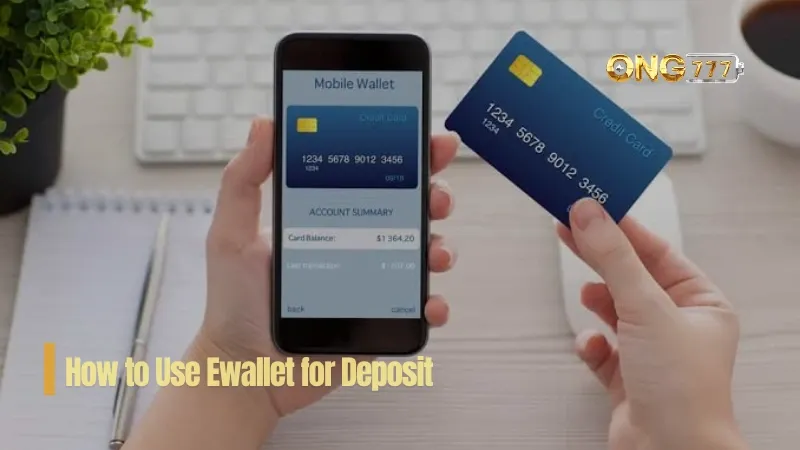
How to Use Ewallet for Deposit (Step-by-Step)
While the process is designed to be intuitive, the majority of deposit failures result from small, avoidable oversights. Following a disciplined approach can ensure your funds arrive safely.
Step 1: Initiating the Request
The first step is always to Panas777 log in through the official Panas777 portal. Navigate to the deposit section and ensure your internet connection is stable. A mid-transaction disconnect is the most frequent cause of "ghost" payments—where money leaves your wallet but never appears in your balance because the session data was lost.
Step 2: Selecting Your Provider
Choose from the list of currently available ewallets. It is crucial not to switch methods halfway through. If you start a TNG transaction, finish it within that session. Switching to another provider mid-way can confuse the system's tracking and lead to a mismatch in the digital ledger.
Step 3: Precision in Data Entry
This is the most sensitive stage of the process. Enter the exact amount you wish to deposit and pay close attention to any reference codes provided. In Malaysia, many ewallet gateways require a specific "Note" or "Reference" to be attached to the transfer. If you skip this, or if the amount differs by even one sen, the automated matching system will fail. Your money will be sent, but it won't be credited until a human agent manually verifies the logs.
Step 4: Finalizing and Patience
After your wallet app confirms the transfer, return to the Panas777 page and wait. It is a natural impulse to resubmit the form if the balance doesn't update in seconds, but you must resist this. Submitting multiple requests for the same transaction can trigger anti-spam filters and actually delay the crediting process.
How to Use Ewallet for Withdrawal?
Withdrawing your winnings via ewallet is a more rigid process than depositing, primarily for your own protection. The platform must ensure that funds are being sent to the rightful owner.
The steps are familiar: go to the withdrawal tab, select your ewallet, and specify the amount. However, the "Critical Requirement" here is the name match. To comply with strict Anti-Money Laundering (AML) policies, the name on your ewallet account must be an exact match with your Panas777 registration. Even a minor discrepancy, such as "Lim Wei Jian" versus "Wei Jian Lim," can trigger a manual review. If the names are entirely different—for example, using a spouse's wallet—the withdrawal will be rejected. This is a security measure to prevent unauthorized access to your winnings.
Common Ewallet Issues (And How to Fix Them)
Understanding the "why" behind technical issues can save you a significant amount of stress. Here is how to handle the most common roadblocks.
When Deposits Aren't Credited
If you have sent money but don't see it in your account, the most likely cause is a delay in the provider's confirmation signal. During peak hours in Malaysia, TNG or GrabPay servers can be sluggish. Wait at least 15 to 30 minutes before taking action. If the status remains unchanged, double-check your digital receipt for any errors in the amount or reference code. If everything is correct but the balance is still missing, contact customer support with your transaction ID.
The "Pending" Status
A "pending" status usually means the money has been reserved by your wallet but hasn't been fully released to the gateway yet. This is often due to network congestion. The worst thing you can do is attempt the transaction again, as you might be charged twice. Check your ewallet app's internal status; if it says "Success" but the platform still shows "Pending," the sync is simply taking longer than usual.
Dealing with Rejections
If a withdrawal is rejected, the reason is almost always a name mismatch, an unverified account, or an unsupported wallet. Simply review your profile details or switch to a verified bank account to resolve the issue.
A Warning on Scams
The Malaysian digital landscape is unfortunately home to various scam tactics, including fake payment screenshots. If someone sends you an image claiming a payment was made, never take it at face value. Scammers can easily edit these images. The only source of truth is your official account balance and the internal transaction history within the Panas777 platform.
How to Avoid Ewallet Problems
Prevention is always better than a cure. To ensure a smooth experience, treat every transaction with a high level of "financial hygiene."
First, follow instructions to the letter. If the system asks for a specific code in the transfer notes, include it. These codes are the only way the system knows that a specific transfer belongs to your account.
Second, never use a borrowed wallet. It might seem convenient to have a friend "top you up," but this is a fast track to getting your account flagged for security reasons. Your account is personal, and your payment methods should be too.
Lastly, be mindful of timing. While the internet is always on, Malaysian banking and wallet systems often undergo maintenance in the early hours of the morning (typically between 12:00 AM and 3:00 AM). Avoiding large transactions during these windows minimizes the risk of getting caught in a system reset.
READ MORE:
- Panas777 Withdrawal | Cash Out Without Rejection
- Panas777 App – Mobile Access and Installation Guide